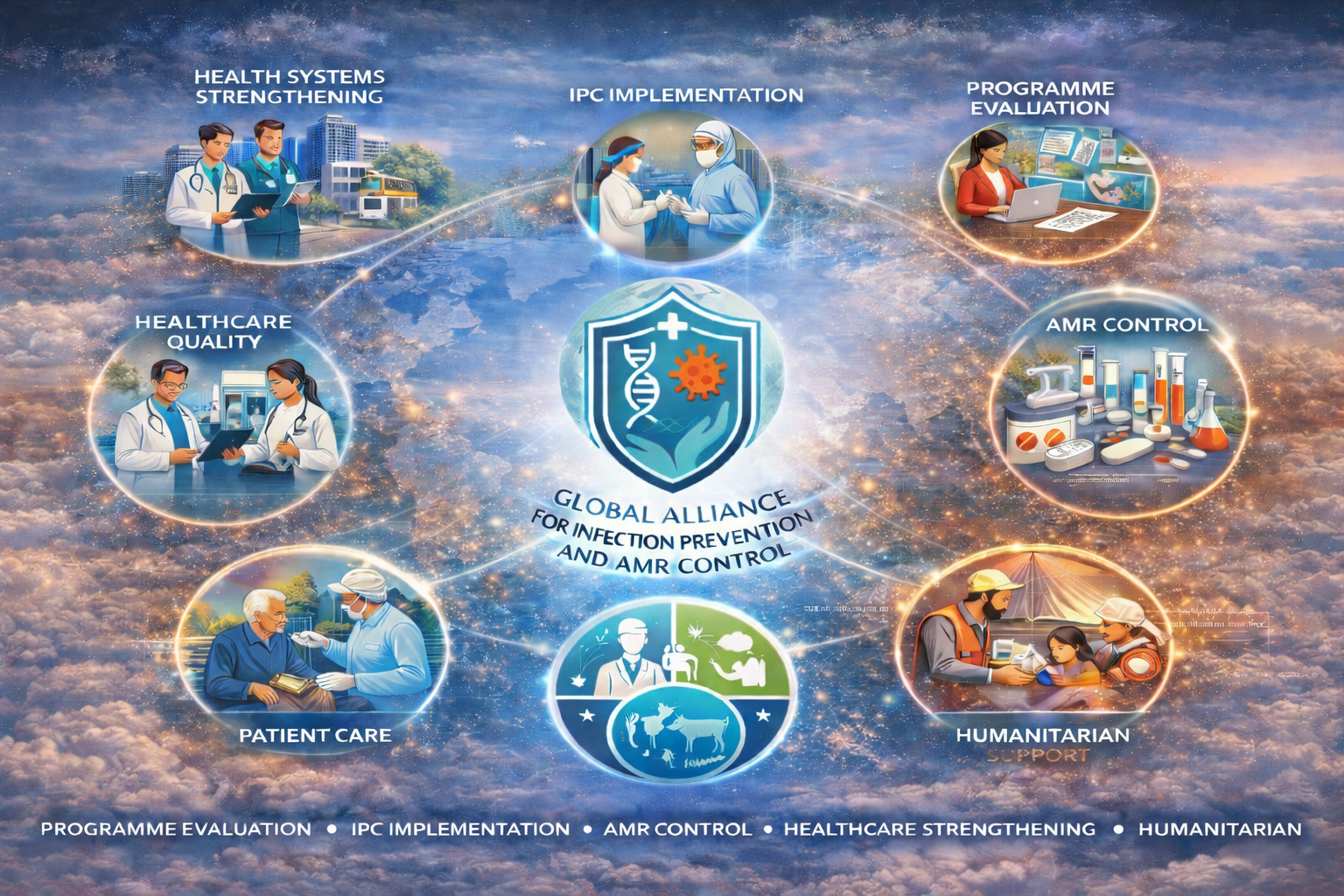
About GAIPAC




Technical Areas
Infection Prevention & Control (IPC)
Strengthening national and facility-level IPC programs to prevent healthcare-associated infections, reduce outbreaks, and combat antimicrobial resistance. GAIPAC supports policy development, implementation of WHO core components, surveillance systems, WASH integration, and workforce capacity building.
👉Learn More

Antimicrobial Resistance (AMR) & Stewardship (AMS)
Supporting countries to prevent, detect, and respond to AMR through integrated surveillance, antimicrobial stewardship programs, laboratory-clinical integration, and One Health coordination mechanisms.
👉Learn More
Laboratory Systems Strengthening
Building safe, high-quality, and accredited laboratory systems through biosafety, quality management systems (ISO 15189 readiness), equipment management, diagnostic harmonization, and workforce competency development.
👉Learn More
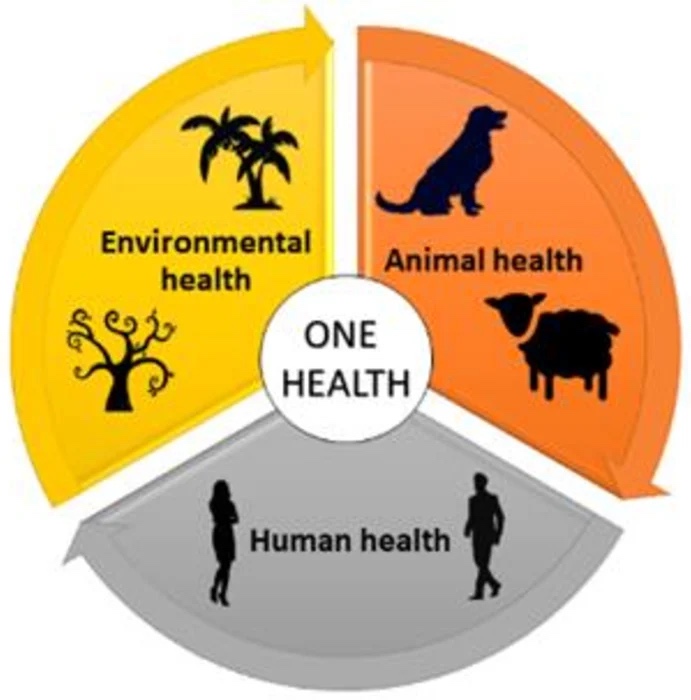
One Health & Global Health Security
Operationalizing One Health approaches by integrating human, animal, and environmental health systems to strengthen preparedness, integrated surveillance, IPC readiness, and emergency response capacity.
👉Learn More
Projects & Implementation Support
Designing and delivering high-impact technical projects focused on IPC, AMR containment, laboratory strengthening, surveillance, and health security with measurable outcomes and sustainable country ownership.
👉Learn More
Membership & Fellowship

Building a Global Community for IPC, AMR & Health Security
GAIPAC brings together global experts, healthcare professionals, researchers, and policymakers to strengthen infection prevention, antimicrobial resistance response, and global health security through collaboration and knowledge sharing.
👉Learn More

Membership (MIPAC)
Membership in Infection Prevention and Control (MIPAC) connects professionals committed to advancing infection prevention practices and improving healthcare safety worldwide.
👉Learn More

GAIPAC Fellowship Program (FIPAC)
The Fellowship in Infection Prevention and Control (FIPAC) recognizes distinguished professionals who have demonstrated leadership and significant contributions to IPC and global health security.
👉Learn More
Partners & Collaborators
We collaborate with government institutions, academic organizations, and development partners to strengthen healthcare systems, support evidence-based policies, and improve public health outcomes.

Ministries of Health
Collaboration with federal and provincial ministries to support healthcare policies and strengthen public health systems.

Universities
Partnerships with universities for research, training, and academic collaboration in healthcare and public health.

NGOs
Engagement with national and international NGOs to support community health initiatives and development programs.

Health Services Academy
Collaboration with Health Services Academy Pakistan to support public health research, professional training, and capacity building aimed at strengthening healthcare systems and evidence-based policy development.
News & Updates

Measles Cases and Outbreaks
As of April 30, 2026, 1,814 confirmed* measles cases were reported in the United States in 2026. Among these, 1,803 measles cases were reported by 37 jurisdictions:
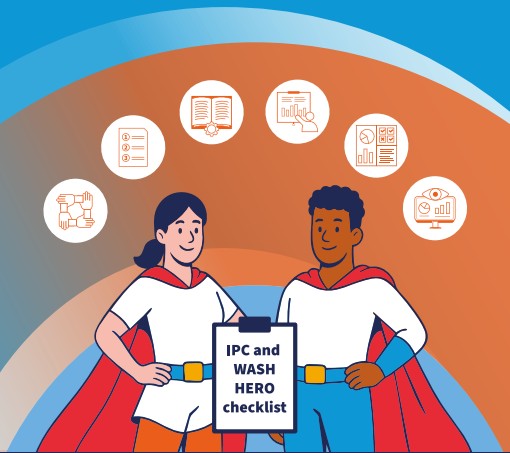
Infection prevention and control and water
Infection prevention and control and water, sanitation and hygiene in health emergencies readiness for response operations capabilities: user guide and checklist.
FDA Alert: Infectious Diseases Drug News Roundup 2026
The United States Food and Drug Administration (FDA) routinely issues important alerts concerning drugs used in the prevention and treatment of infectious diseases.